
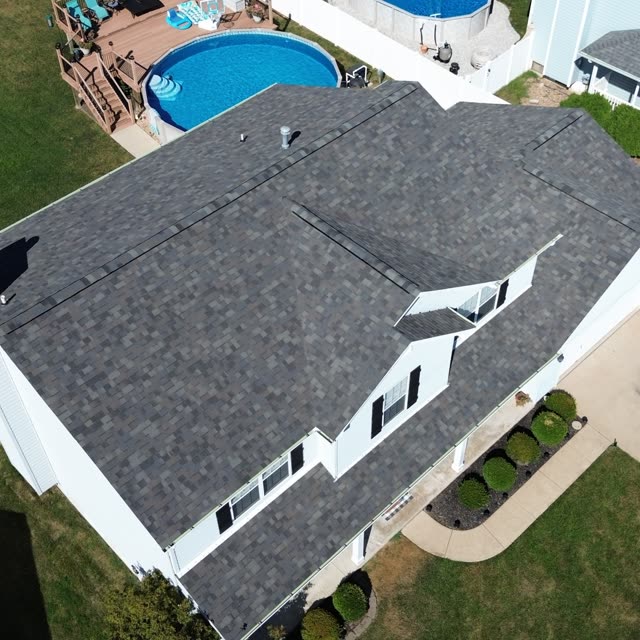
Never Checked Your Roof After This Year's Storms? How to Document Hail Damage Before Winter
· 6 min read
Every year, plenty of St. Louis homeowners hear hail on the roof, check the car, see nothing obvious on the shingles from the driveway, and move on. Months later, a leak shows up in January and no one connects it to that storm. If you never had your roof looked at after this year's severe weather, the weeks before winter are a good time to fix that.
Here is why hail damage is easy to miss, why winter tends to expose it, and how to get your roof documented properly, whether or not a claim turns out to make sense.
Why hail damage hides
Hail rarely punches holes in shingles. More often it leaves damage that is hard to see from the ground and does not leak right away:
- Bruised shingles. Impacts crush the mat under the granules. The spot may look fine but feels soft, and it breaks down faster.
- Granule loss. Dark spots where granules were knocked off expose the asphalt to sun and water.
- Cracked or broken seal strips that leave shingles loose in the next wind.
- Damaged flashing, vents and gutters. Dents in soft metal are often the easiest clue that hail was big enough to matter.
Wind does its own quiet damage, too: lifted tabs, creased shingles and pulled flashing that let water in during the next storm.
Why winter exposes it
A bruised or cracked shingle can hold up through a dry fall. Then the freeze and thaw cycles begin. Water gets into the damaged spots, freezes, expands and widens the crack. Snowmelt runs under loose tabs. Ice builds at the eaves. That is why so many storm-damage leaks show up in the coldest part of the year, long after the storm that caused them.
Check your policy: most homeowners policies set time limits for reporting storm damage, and they vary by policy. If you think your roof was hit this year, do not wait until spring to find out.Hail damage is not just a roof problem
The same storm that bruised your shingles may have hit other parts of the house. When we inspect after a storm, we also look at the areas homeowners and adjusters often overlook:
- Gutters, downspouts and fascia, where dents and splits are common
- Roof vents, pipe flashing and chimney caps
- Skylights and their flashing
- Siding and window wraps on the sides that faced the storm
Documenting everything at once gives your adjuster the full picture and avoids reopening a claim later for something that was missed.
What good documentation looks like
When hail or wind does hit, the difference is evidence. A quick look from a ladder and a verbal "you have damage" is not enough. A proper storm assessment should give you something you and your adjuster can act on:
- Drone imagery of every slope, so nothing is missed and no one has to guess.
- Test squares that count impacts in a defined area on each slope.
- Close-up photos and measurements of shingles, flashing, vents and gutters.
- A written report that separates storm damage from normal wear and maintenance items.
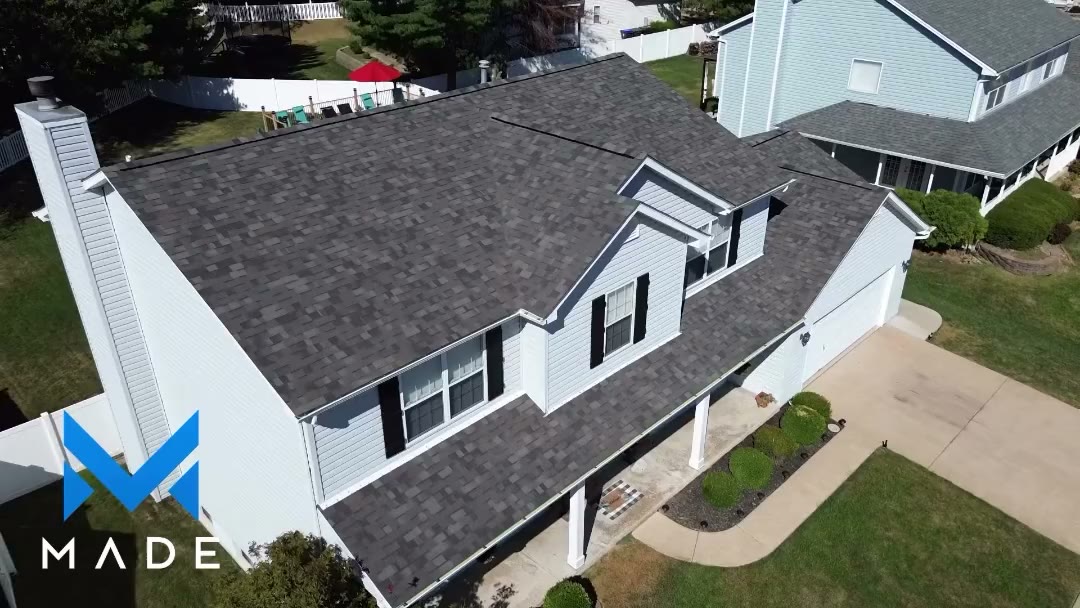
How MADE handles a storm inspection
1. Document
We photograph and measure visible hail, wind, flashing and water-entry conditions, using drone imagery and test squares, and put it in a written report.
2. Explain
We separate maintenance issues from storm-related findings and lay out practical next steps, without pressure. If your roof does not warrant a claim, we tell you, and we tell you why.
3. Support
If you file, your project manager can be on the roof in person when the carrier inspects, and we provide scope documentation and supplements as needed. The insurance carrier decides coverage under your policy. Our job is to make sure the roof's condition is documented accurately.
"I had hail damage on my roof and I had no idea how the process of an insurance claim works and Jeremiah was so helpful and informative and MADE ROOFING ending up being way better than the company my insurance recommended. Definitely a great company and I’m glad to be working with them."Julia LaVelle, Google review
What if you do not have storm damage?
That is a good outcome. You still walk away with a dated, photo-documented record of your roof's condition, which is useful if a storm hits next spring, if you sell the house, or if you just want to know how many good years the roof has left. If the inspection turns up maintenance items, such as a worn pipe boot or a loose flashing, we will explain them and you can decide what to do.
If the roof needs to be replaced
When a claim is approved, or when a roof is simply at the end of its life, a replacement can still happen in late fall and winter on workable days. Every MADE replacement follows the same disciplined path:
- A defined, written scope before work starts
- Full property protection during tear-off
- Decking inspected and replaced where damaged
- Manufacturer-certified installers, so the warranty you are sold is the warranty you can enforce
- Contained debris, ground cleanup and magnetic nail collection where appropriate
- A documented final walkthrough
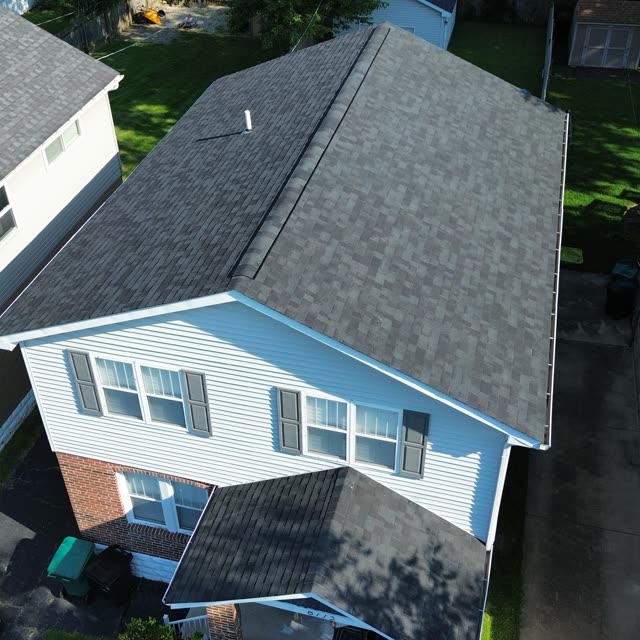
"We had our roof replaced after hail damage, and the entire process was smooth from start to finish. The team was professional, communicated well, and did great work."Lauren Allen, Google review
A few things to do before you call
- Note the date of any storm you remember, even roughly.
- Walk around the house and photograph dents in gutters, downspouts, window wraps, AC units or the mailbox.
- Look in the attic with a flashlight for stains or damp spots, if you can do it safely.
- Stay off the roof. Leave the climbing to a crew with the right equipment.
- Find your policy and check your deductible and reporting requirements.
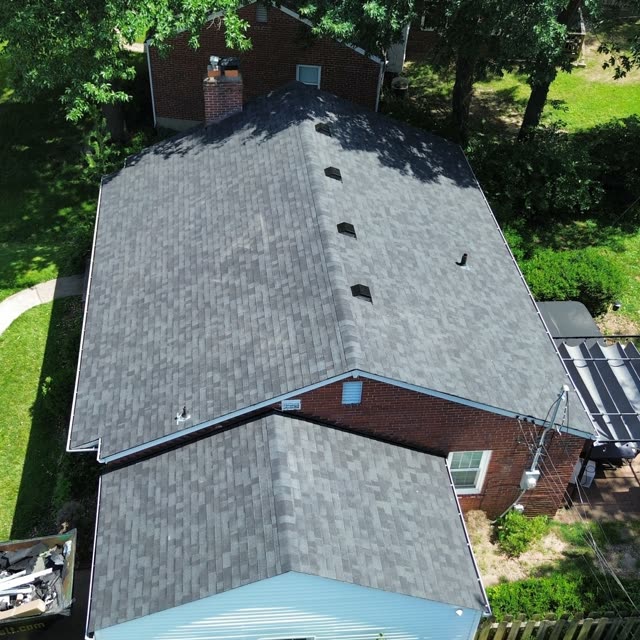
Get your roof documented before winter
If you are hosting family this Thanksgiving, the last thing you want is a ceiling stain in the guest room come January. Call us for a documented storm inspection, and we will give you a straight answer about what we find. We serve homeowners within 40 miles of Green Park, from Kirkwood, Webster Groves and Chesterfield to St. Charles, O'Fallon and Arnold. Happy Thanksgiving from all of us at MADE.
Ready when your roof is
Want to know if this year's storms damaged your roof? Call (314) 912-4911 or reach us at maderoofing.com.
Frequently asked questions
Does visible hail always mean I should file a claim?
No. Not every hailstorm damages a roof enough to warrant a claim. We document what we find, separate storm damage from normal wear, and tell you honestly whether a claim makes sense.
Can MADE meet my insurance adjuster?
Yes. Your project manager can be on the roof in person when the carrier inspects, and we provide photos, measurements and scope documentation.
Who decides whether roof damage is covered?
Your insurance carrier decides coverage under your policy. MADE provides roofing observations, measurements, photos and a construction scope, not coverage decisions.
Can hail damage cause leaks months later?
Yes. Bruised or cracked shingles often hold up for a while, then fail when freeze and thaw cycles and snowmelt work into the damage. That is why many storm-related leaks appear in winter.